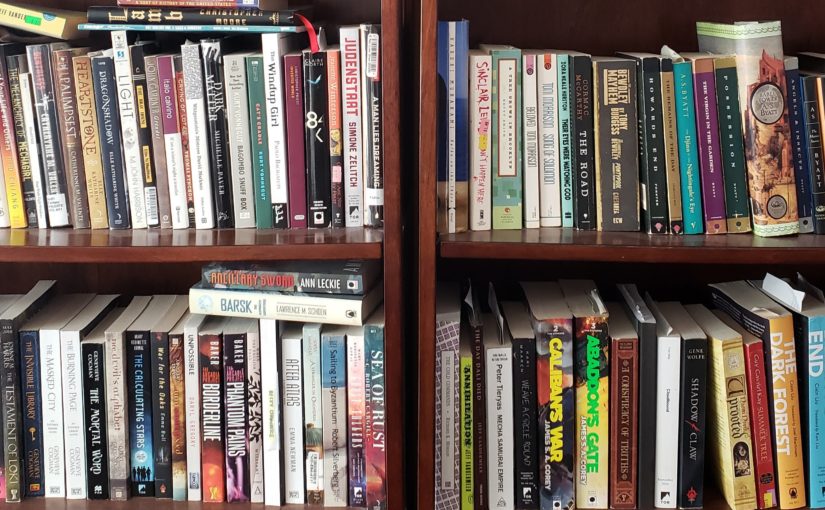
I always look forward to these little roundups — despite the work — because they give me the opportunity to get a meta-view on the stuff I’m putting in my brain. Reading and dreaming are similar for me, in a way: my conscious self is only rarely driving my choices. I can certainly try to assign myself reading, but the me that exists in the half hour between when I climb into bed and fall asleep is going to read what she’s going to read; ditto for the me on my commute. So last year was my rompy space opera year, the year before was the Year of Martha Wells, and the one before that the Year of Seanan McGuire.
This year was a little harder to categorize. I went back and read a lot of paranormal romance from the heyday: specifically, all of the Twilight Saga and the fifteen or so novels in the first “season” of Nalini Singh’s Psy-Changeling series. I also accidentally read five of Olivia Dade’s novels. I read a little more than a hundred books in 2025, so this is roughly a quarter of my reading. I also read a bunch of books with heists, almost all of them novellas or short stories, and continued reading rompy space opera at a much slower pace. Also, I read a lot of zombie books, per usual, because I don’t have a problem, I have a solution. Which is zombies, apparently.
So without further ado, my year in reading:
Zombies:
I’ll start with zombies because the year starts with zombies in Zombruary. This Zombruary was a little lackluster — frankly, I had a brutal depressive episode — but I’m always going to get to several more throughout the year. As usual, the books are a mix: some from the zombie heyday maybe 10-15 years ago which tend to be pretty classic outbreak-and-seige stories, and some more recent, are often more oblique, coming at zombies in odd ways. While generally I prefer the weird stuff to the more Romero-rules narratives, this year I dug the pleasures of the more classic zombie story. Which is to say, I didn’t think some of the more radical experiments worked, though I still enjoyed the attempt.
Revival by Tim Seeley, et al. I first started reading this comic series in 2013 when they were coming out in weekly (monthly?) installments, but, per usual, I wandered off maybe halfway through. I have a pretty serious problem finishing series, even the ones I like, so it was satisfying to go back and read the entire eight volume run from start to finish. The events in Revival are precipitated by a single event: on one day in Wausau, WI, all of the people who died that day get back up. These reanimated people aren’t cannibal shamblers, and the reanimation does not appear to be contagious. Although the setting, art style and dialogue is naturalistic, there’s an edge of the supernatural: rural noir, Midwestern Gothic. The twenty-odd revivers (that the authorities know about) are … mostly normal, but there’s an uncanniness that creeps. The town is quarantined and beset by various federal agencies, and there’s a fair amount of tension between the local podunk bullshit and the high-handed federal bullshit, in addition to the various bullshits of small time dealers, religious hucksters, and opportunistic attention whores.
I absolutely adore the Midwestern setting, and I feel like Seeley et al did a damn fine job of speaking the language of my people, one that relies on understatement and lacuna more often than is wise. While there were some episodes I didn’t enjoy — I thought the change of venue to NYC didn’t quite work in one of the middle volumes — the series has a more than satisfying ending, even if it got a little more operatic that I prefer at points. With a series of this nature, there isn’t ever a single protagonist, or the town is the protagonist. That said, the character of Em, a hidden reviver who basically has to solve her own murder, comes the closest. I really liked the way Em’s story wrapped up — really, the only way that could satisfy — and the decision not to punish the revealed villain with more than natural consequences was a good one.
American Rapture by C.J. Leede. My one-line review was “read the trigger warnings” because these zombies are seriously fucking upsetting. Zombies are generally understood as creatures of appetite, with the urge to consume decoupled from any moderating force. Now do that, but with sexual hunger in addition to the regular kind. Now do that, but have your religiously repressive parents get infected, so you have to run from the house or be attacked by your own father. Though these sexual assaults by the infected aren’t ever described gratuitously, it’s possible that’s worse, letting my imagination do the work of conjuring horror. The themes of the novel center on repressive fundy Christianity in the American Midwest — the title is an indicator — and Leede does an excellent job of sense of place. Like Revival, American Rapture takes place all through central Wisconsin: there’s a memorable sequence in House on the Rock, and I think the main character even passes through Wausau, where the events of Revival take place. Definitely thought about this one long after I finished reading.
Until the End of the World and So Long, Lollipops by Sarah Lyons Fleming. This series was published a dozen or so years ago in the zombie heyday, and it shows. Until the End of the World is pretty straightforward: a group of survivors escape from a zombifying NYC, and strike out to the main character’s parents house in the woods. A lot of people have tagged this as YA, which isn’t accurate but I can see why they do it. There’s a lot of petulant teen behavior that has no place in the zombie apocalypse, nevermind that everyone is in their late 20s. I did like the fact that our main character had been raised by preppers, so she legit knew what she was doing, and knew how hard it was to grow food and have safe water. The book drags because of it though, as there’s a lot of page time of garden tending and the like, so I’m apparently praising and dinging this book for the same thing. So Long, Lollipops is a sidequel novella, and while it was interesting to see what happened to that one guy, it’s def not standalone.
Dating After the End of the World by Jeneva Rose. Dating After the End of the World has more than a few character and plot beats in common with Until the End of the World, weirdly. The main character has to make it out with from a zombifying major metro to head to her parent’s prepper compound, whereupon she settles into some juvenile in-fighting with people who should be old enough to know better, until they’re attacked by a post-apocalyptic gang. I enjoyed Dating After the End more for a couple reasons. The fight scenes are better and they’re a lot gorier, which I thought was interesting for a book which is romance-adjacent. While the romantic pair had just the most cringe banter, the emotional background of the other main players was good, I thought. Dad became a prepper because of the very traumatic death of his wife, and the emotional fallout of that has worn pretty deep grooves in all of their lives. I also liked the ending, which might be a cliffhanger, or might just be really funny.
What Moves the Dead by T. Kingfisher. Maybe tagging this is as a zombie book is a bit of a spoiler, but I think you know pretty quickly that some serious fuckshit is happening with the uncanny rabbits. What Moves the Dead is a riff on The Fall of the House of Usher, and, like the Poe story, the novel follows the person come to visit the Ushers, in this case a soldier from an invented central European country. Per usual, Kingfisher’s narrator is funny and sly and entertaining, and the events more creeping dread and occult weirdness than bloodbath or cruelty. Tbh, I just didn’t connect to this one like I have with Kingfisher’s other horror. There were some nice bits — I am always down for some sporror, for example — but the overall tone bordered on flippant, which I don’t think works in Gothic horror so well. Not bad at all, just not quite for me.
Bloody Sunrise by Gwendolyn Harper. Honestly, if this hadn’t been an insomnia read, I might not have enjoyed it as much. Bloody Sunrise is a straightforward road trip through the zombie apocalypse, up to and including a pretty jaundiced view of human nature. The MMC was pitched to me as having Pedro Pascal vibes, which is kinda accurate, but also it’s tough to capture Pascal’s specific dorky delights on the page. I also didn’t love how this ends on a serious cliffhanger. I fully expected this to be published ten years before it was in that weird period when everyone was serializing everything, because it feels like an installment in a serialized novel. (Basically the only writers I’ll accept this from are Karen Marie Moning — grudgingly — or Mira Grant.) So was this amazing? No. Will I quit reading this series in a huff? Also no.
The Z Word by Lindsay King-Miller. The pitch on this one made it seem right up my alley: a disaster bisexual has to ride out the beginnings of the zombie apocalypse perpetrated by the corporate sponsor of Pride weekend in a small town in Arizona. Oh, and her ex-girlfriend was working with the sponsor, so the ex is either a patsy or a collaborator. I’m into the criticism of corporate bullshit co-opting queerness as cynical “branding,” but it wasn’t very coherent here in the end. The tonal swerve between pulp and something like realism didn’t work for me either. Fwiw, I think Eat Your Heart Out (a zombie novel I read for last Zombruary) by Kelly deVos manages a similar sort of cultural criticism — with zombies! — in a much more adroit way.
Zomromcom by Olivia Dade. Zomromcom is just what it says on the tin: a romantic comedy … with zombies! The romantic comedy part of the story worked for me, the zombie part less so. But I was in the mood for this kind of quippy goofiness, so I had a good time anyway. I also enjoyed the romantic pair. The vampire love interest is openly bisexual, but more than that, he’s also pretty femme. He has a fashion and makeup insta, and he’s more than a little vain about his dashing good looks. I don’t think you run into many femme bi men in mainstream romance, or even in not-mainstream romance. Edie is kind of a dingdong, which is pretty common for romcom heroines, but it never tips over into suicidal stupidity or clueless cruelty. (I’m just a sol bean who can’t help getting people killed being a dumbass uwu. This sort of thing happens a lot in zombie stories.) I get the impression this is the start of a series, and I’m into it.
Awakened by Laura Elliott. Thea Chares lives in the Tower of London with a skeleton crew of medical staff, engineers, and a couple other folk, people who were instrumental in developing a neural implant that would eliminate a person’s need for sleep. After the neural chip was widely adopted, something catastrophic happened with the programming of the chip, a shift which basically turned everyone into ravening monsters. Thea and her band of survivors while away their time trapped in the Tower half-assedly trying to come up with a cure and in-fighting, a tenuous status quo that is unsettled when they take in two survivors: a pregnant human woman, and a preternaturally self-composed one of the Sleepless. The plot of the novel, insofar as there is one, is pretty episodic. Awakened is laid out in an almost epistolary format, narrated by Thea. While this sort of musing, literary take on the zombie apocalypse usually makes me freak out, cf. It Lasts Forever and Then It’s Over by Anne de Marcken, another Zombrurary book I read last year, Awakened never quite clicked for me, and that despite some really great writing. Alas.
This Dark Earth by John Hornor Jacobs. I sort of fell into reading this again when I finished reading Jacobs’s most recent novel, The Night That Finds Us All, and wanted it to keep going. His writing is so fucking good. I read this when it came out, and even wrote a long review back when I did such things. I don’t necessarily have much to add to it, other than I really, really appreciate Jacobs’s attention to detail. This Dark Earth was the first of his novels I’d read, but as I’ve read down his oeuvre, I can tell how much research he puts into his books, but it doesn’t come out in a showy, flashy way. The doctor in This Dark Earth speaks both casually and professionally about the symptoms the infected exhibit — this looks like such-and-such syndrome, but that only affects people with a Y chromosome, wtf, &c — but it never turns into a lecture. I totally get the impulse to show off when you’ve done some good research, and the restraint Jacobs shows while still clearly knowing what he’s talking about is dope as hell. Hail to the king, baby.
Southern Reach by Jeff Vandermeer
I ended up listening to the entire Southern Reach series — original trilogy Annihilation, Authority, Acceptance, and the more recently published Absolution — because while I’ve read all four books before, I tore through them so fast that the mechanics of the plot didn’t register, other than a few bright, terrible moments. So the full impact of creeping dread punctuated by terrifying reveals was largely intact, hoorah. I had virtually no memory of Acceptance, for example, which became a problem when I read Absolution; there’s a lot of lore. The novels deal with an eldritch anomaly called Area X on the Forgotten Coast of Florida — something like a pocket universe crossed with a dreamscape. A governmental body called the Southern Reach has the administration of Area X as its mandate, such as it is. Vandermeer plays with storytelling styles, tropes, narrative voices, perspective, and so on, all in the service of some of the most quietly unsettling shit put to paper.
While I really don’t care what the explanation for Area X’s existence or behavior is — that does not matter to the viscera of the narrative — I did find myself thinking about the reader’s perception of Area X. So much of what we know is filtered through the Southern Reach, and the institutional wisdom of the SR is … institutional. All the spy machinations and siloing leads to paranoia, and that’s not even getting into Lowry’s arachnid fuckshit at the center of things. While a lot of horrible stuff happens to our characters, this time through I experienced the ending on the original trilogy this as almost a somulant letting go, the sleeper’s hand opening as dreams pull them under.
A note on the audio: I wouldn’t have expected it from an actor I associate with 80s sitcoms and the asshole character in TV movies, but holy wow is Bronson Pinchot’s voice acting excellent. (Carolyn McCormick was lovely too, but I didn’t have preconceived notions about her.)
The Twilight Saga by Stephenie Meyer
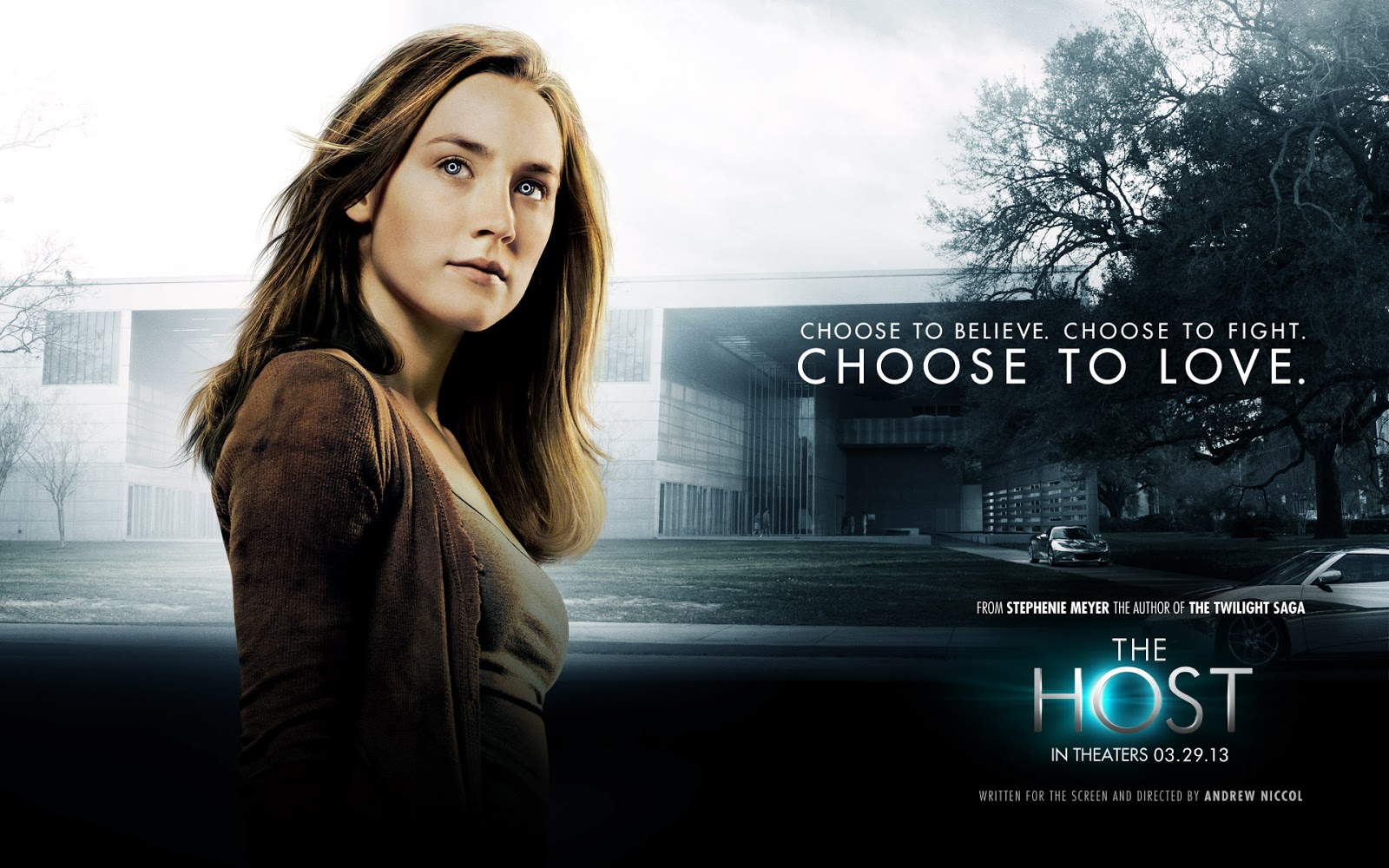
Back in my Goodreads days, that site basically ran on Twilight reviews. I read Twilight at that time and then decided to be done with the series. But then I ended up reading Breaking Dawn because I’d been told Breaking Dawn was relevant to my interests (which it was.) Though this is reductive, the first three Twilight novels each misread a work of classic literature: Twilight alludes to Pride & Prejudice; New Moon gets Romeo & Juliet wrong; and Eclipse makes an absolute hash of Wuthering Heights. The mistaken asshole plot of P&P is so ubiquitous in romance that it doesn’t set me off, but I have a whole thing about R&J and an even bigger one about Wuthering Heights, so I knew it was best that I stay away. Anyway, this year ended up being the year that I read the entire Twilight Saga, including the gender-flipped version she put out for the 10 year anniversary. I did not read Midnight Sun, however, because everyone I know who read it says it was trash.
Twilight. I don’t have much to say about this one that I haven’t already said. I’ll just note that Meyer does do an excellent job invoking the absolute cringiest parts of adolescence, which is one of those good news/bad news situations. Well done! But now I’ve broken out in hives.
New Moon. Meyer’s depiction of depression is decent, like the run of blank pages used to signify her catatonia. Bella’s emotional emptiness and feelings of flatness resonated with me as well; depression can be numb instead of painful. However, having only seen the movies before, I was a little taken aback by how much book Jacob sucks. Like seriously, fuck that guy. And the Romeo & Juliet intertext is so much more pronounced in book New Moon, which isn’t a good thing: Meyer doesn’t have the best sense of what makes that work tick. (Spoiler: they have to die at the end.) So she does things like have both Edward and Bella profess they believe they are dreaming for pages and pages, which, in addition to being super embarrassing, also makes them look like ninnies.
Eclipse. In some ways Eclipse is better than New Moon — considerably more happens and the action sequence is well written — but Jacob Black is such a date rape piece of shit that, as a whole, the book is considerably worse. Also, Meyer gets everything wrong in the Wuthering Heights intertext: neither of those dipshits Edward nor Jacob can hold a candle to the majestic swath of fucking destruction Heathcliff wreaks in Brontë’s novel, and Bella doesn’t have anywhere near Cathy’s incandescent cruelty. I thought the Romeo & Juliet thing in New Moon was misguided, but at least R & J were teenage dumbasses, so same. On the other hand, the fact that Bella has to get into a sleeping bag with Jacob or she’ll freeze to death was hilarious, and I admire using such a hoary old chestnut without a hint of embarrassment. On the level that these novels work, they work because they are utterly, perfectly earnest. I know that sounds like a dig, but it isn’t. While these books aren’t my own personal heroin, I can see why so many people love them.
The Short Second Life of Bree Tanner. Maybe it was the mood I was in when I read Bree Tanner, but I thought it was so delightfully goofy. Bree was the newborn vampire that Carlisle spared at the end of Eclipse but the Volturi killed anyway, and this is her first-person account of the last maybe two weeks before her death. Victoria and Riley, who were responsible for creating this newborn army, let the new vampires believe they couldn’t go into the sun, so all the new vamps end up stuck in the basement every night. Apparently, that many vampires in one place is going to end in lots of fights, and I was so amused by how many people got their arms ripped off — don’t worry, it’s bloodless and they reattach them. At one point, Riley throws someone’s own arms chunks at him lol. Anyway, I enjoyed the tone of Bree Tanner because Bree does so much less moaning and bitching than Bella.
Breaking Dawn. Like Twilight, I’ve already spilled more than enough ink on Breaking Dawn. I’ll just note that I didn’t have quite as strong a reaction to the horrific birthing sequence this time around, I think because I’m farther from my own horrific birthing experience with the older kid. That said, that is still one of the most disturbing depictions of pregnancy and childbirth put to paper. And in a freaking YA novel! Shudder.
Life and Death. Stephenie Meyer was so hurt by critics pointing out how weird and creepy she treats gender in the series — recall that multiple grown-ass men imprint on female infants, for just one disturbing example — that she wrote a whole gender-flipped version of Twilight. (Imprinting is a sort of one-sided soul mate bond, because women don’t imprint back.) And she doesn’t just flip the genders of Edward and Bella, here named Edythe and Beaufort (lol), she flips everyone’s gender, except for Charlie and Renee, weirdly.
The book is somehow both hilarious and tedious. It’s beat for beat with Twilight, down to identical dialogue in some places, which gets really old. But it also shows how horrifically bad she is at writing men, especially in the first person (which, I’m given to understand, is one of the many things wrong with Midnight Sun.) She inadvertently proves her critics’ points: absolutely none of the procreative terror and female-coded “protective” magic works if Bella is Beau, and the whole love triangle with Jacob/Julie doesn’t work if she can’t imprint her way out of it. But the whole thing is so utterly bonkers that I ended up having a good time anyway. Shrug emoticon.
Cities! Cities! Cities!
There are many things I adore in fiction: the post-apocalyptic mall, functioning sff bureaucracies, zombies, &c. Pretty high on the list is vibrant, complicated, fucked up cities. Like the kind of cities that have neighborhoods and aren’t a bare boards play set for the characters, but a character in and of itself. This year was really good for that.
The Rivers of London series by Ben Aaronovich. I’ve been listening my way through this series for the last couple years. I absolutely adore the architecture- and history-nerd stuff that’s all over this series, plus the reader for the audiobooks, Kobna Holdbrook-Smith, is so godamn good at all the accents, inflections, and innuendos of the languages of London, the UK, and all of its denizens. While I like Peter Grant, the first person narrator of this series, London itself is the beating heart of every book. I lived in London briefly in the late 90s, and while I’m not going to pretend I know shit about shit, I do know it’s a freaking cool place, a messy amalgam of Roman forts, Renaissance city design, post-War Brutalist infill, and a dozen small towns swallowed by urbanity, layered over with waves of fires, bombings, and gentrification. God save the queen, &c.
- The Furthest Station. A novella set between the fifth and sixth books, something something ghosts on the Tube. I admit I’m not the most attentive when I’m listening on my commute, so I kind of have no idea how we got from ghosts to an abducted lady. General confusion aside, I love the reader and I love Peter, the main character’s voice, so I don’t even care.
- The Hanging Tree. The sixth novel. This one was a little mythology-heavy, which which is kind of an issue because I’m a little hazy on some of the mythos, and also it seemed to crimp the more procedural aspects of the plot. One of these things is my fault, the other less so. Anyway, this novel is the one where the Faceless Man, something of a series antagonist, is unmasked (wocka wocka), and he’s somehow both politely charming and terrifying, which is a good mix. He reminds me of this video I saw once of protesters at the home of the CEO of Nestle — a corporation which is about as evil as it comes — being drawn in so completely by his avuncular politeness that they disburse. That’s what the devil looks like.
- Lies Sleeping. The seventh installment. We finally get a showdown between Leslie and Peter, and it’s really good. I — and I think Peter — always kind of thought that even though she went to the dark side, Leslie wasn’t completely on the dark side. This was inaccurate! Yikes. I do like that Peter seems to be getting out of policing, because while policework is an easy way to have your characters trot around the city and meet all kinds of folk, the Met police are horrifically corrupt assholes, and anything that doesn’t acknowledge that amounts to copaganda.
Dead Things by Stephen Blackmoore. Maybe cheating a little because urban fantasy is gonna urban. Dead Things felt old school in a lot of ways: the story is one of those dude comes back after a dozen years or so cos something super shitty happened, and then the reunions range from awkward to horrific. Add in a John Constantine-ish magic user and an intimate understanding of LA, and you have some rollicking mid-2010s urban fantasy. Also the main character swears a lot. +1
The City in the Middle of the Night by Charlie Jane Anders. Good gravy, this was so far up my alley it was out the other side: not one, not two, but three cities which run on their own mix of ideology and blarney, like cities do. The setting is an alien planet close to inhospitable to human life: it’s one of those tidally-locked ribbon worlds with a side of eternal darkness and one of burning light; plus a whole fucktonne of generational trauma from the generation ship that brought them to said planet.
The City in the Middle of the Night is often mentioned in the same breath as Le Guin’s The Dispossessed, which makes a lot of sense. There are two main cultures with maybe not opposed but disparate ideologies, and the cli-fi angle is pretty front and center. Anders does gets down into the streets of how groups of people — how cities — define themselves and then enforce that definition, a messiness that makes The City in the Middle of the Night feels less didactic than The Dispossessed (which is not meant to be a criticism of either, but an observation). The City in the Middle of the Night is jam-packed with ideas and cultures and just cool stuff and I fucking loved it.
The Tomb of Dragons by Katherine Addison. This is the third (final?) installment in the Cemeteries of Amalo series, which is set in the world of The Goblin Emperor. The main character, Thara Calahar, is a Witness for the Dead, a calling which is something like a magical coroner. He was grievously injured fighting an evil ghost thing last book — basically he loses access to the ability that makes him a Witness — so he begins The Tomb of Dragons even more hangdog and morose than he usually is (complementary). While I enjoyed the more procedural parts of the novel and I’m happy to get Thara’s backstory, I wasn’t all that satisfied with how things end up between Thara and Iana; basically their slow-burn relationship fizzles out and Thara ends up romantically involved with some rando. I genuinely do not understand that choice at all. But! Amalo, in addition to being a great city, also has just tons of bureaucracy, which makes me happy.
The City We Became and The World We Make by N.K. Jemisin. I kind of don’t want to make this comparison because fuck Neil Gaiman, but the supernatural mechanic in Jemisin’s urban fantasy duology isn’t so far from American Gods: once cities reach a certain complexity in their identities, they become alive. That consciousness is then embodied in (usually) a single person. São Paulo is a character, for example. When New York comes to be, it is embodied in six avatars: one for each of the five boroughs, and a sixth who is the entirety of NYC. The first novel details the six trying to come together, while being thwarted at every turn by a eldritch horror personified by the Woman in White. (She’s a city too, but one of those Lovecraftian jobs.) (Also, the reader of the audio, Robin Miles, should totally get together with Kobna Holdbrook-Smith from the Rivers of London series and create the most perfect audio reader; both navigate dozens of accents and dialects with aplomb.)
I loved the first book, which showcases Jemisin’s typically smart prose & deft character sketches, but the second is where things really get interesting. Judging from the pub dates, these novels were written during Trump 1 and the Biden interregnum, and it shows. Lots of urban fantasy minces around, taking place in some ahistorical no-time; The World We Make does not. The overt plot details a mayoral race between a Make New York Great Again asshole and one of our avatars. Reading this right after Zorhan Mamdani’s defeat of that grandma-killing sexual-assaulting piece of garbage Andrew Cuomo was very cool; Mamdani could honestly be one of Jemisin’s avatars, and Cuomo has more than a little in common with the MNYGA candidate. We live in dark times, but New York abides.
Heists! Murder! Mystery!
I’m going to throw together a bunch of books under this broad category because I feel like it. Also they sort of occupy the same part of my brain.
How to Steal a Galaxy and Last Chance to Change the World by Beth Revis. I know it’s not fair that I read How to Steal a Galaxy during a rolling coup of the American government, but: the antagonist, a trillionaire obviously modeled after Elon Musk, is evil because he’s built planned obsolescence into his technology. In real life, Musk’s evil goes significantly harder than that. Feels like a failure of imagination. But our heroine also thinks the government is bad because … I’m not entirely sure — they won’t do things the way she likes? Also, freedom fighters are bad because they all employ suicide bombers or something. Our only solution is a wiseass thief, a woman working alone. I don’t think the message of “only Ada can save us” is all that great, because I know for a fact mutual aid is the only way we’re getting through this. Look, I know this is unfair the ding this lighthearted space heist for [gestures at everything], but it’s just the bad timing of history.
Last Chance to Change the World is a perfectly cromulent ending to the trilogy (if indeed it’s an ending.) Ada and Rian end up back on Earth, to pull a reverse heist of sorts: they’re trying to reprogram the climate-cleaning nanobots that the evil Musk-like trillionaire has designed to fail at an important and expensive moment. I’m a huge fan of how Ada uses mutual aid to achieve her goals, alleviating one of my criticisms of the series, though I’m less of a fan of Rian’s cop nonsense. He’s a cop, Ada, c’mon. She keeps her eyes on the prize tho, which is not capitulating to a badge who’s more obsessed with bringing a woman who hurt his ego to justice, instead of destroying the stupid and evil rich asshole who is willing to let a whole planet rot for more money. Money which he doesn’t need, of course. Relatable content.
Run with The Hunted by Jennifer R Donohue. I read Donohue’s witchy Hamlet retelling, Exit Ghost, last year, which was fucking fantastic. So I thought I’d try her cyberpunk heist novellas, which I think are eight or nine and counting. The main character has Ada Lamarr from Full Speed to a Crash Landing vibes — which is the first in the Beth Revis series above — but even girlier, which I like. (I have a whole thing about how heroines aren’t allowed to be girly, like if you wear dresses and know how to match your shoes to your lipstick you can’t be a real badass. This is bullshit.) A good outing, but I’m sure I’ll get more out of the next now that I know who’s who.
Murder on the Titania and Other Steam-Powered Adventures by Alex Acks. Fun collection of rompy steampunk short stories, most of which involve murder and/or a heist. The setting is an alt-America which has been divided into duchies; also there are airships and zombies. Acks has a light touch with exposition, which I honestly appreciate, but I also wanted so much more information on the zombie situation. (I admit this is a me thing.)
Death by Silver by Amy Griswold & Melissa Scott. A consulting detective and a metaphysician are hired by one of their bullies from public school (the British kind) to figure out who killed his father in a steampunky Victorian England. The alchemist and detective, Mathey and Lynes, were lovers in school and have something of a situationship going on. I loved the magic system because while it was clear the authors had worked it all out, they didn’t show off or bore you with a primer. And they took into account how useful skills — like cooking, or sewing, or magic — are expressed differently by class, gender, or culture. The pace felt deliberately slow, which I think is an interesting choice, but sometimes I felt like I didn’t need to get all the details of their transport about London and such. I admit I’m not much a mystery person though, and I suspect some of this might be convention, giving the reader a sense of place or the layers of society and class. I plan to read the next.
All of Us Murderers by KJ Charles. Kind of an odd mix of Knives Out and Northanger Abbey: a family of assholes is bidden to the family manse out on the moors in order to determine who will inherit the ill-gotten family wealth. Our protagonist is the youngest son who is utterly uninterested in both the wealth and what he’d have to do to get it, namely marrying a cousin from the wrong side of the blanket. (It’s Edwardian England; that’s not so odd.) There’s a lot of fun Gothic trappings and potentially supernatural shenanigans, though I think most readers can identify a Scooby Doo haunting pretty quickly. In fact, I was having a perfectly lovely time up until the third act when it was revealed how truly horrible this family is/was. One of the keys to Gothic, I think, is a sense of comedy that never lets on that it’s funny. There is a fair amount of humor, but in the end, everyone was so awful that humor was well and truly shattered. When it was fun it was fun, but when it wasn’t it was still ok.
The Supersonic Phallus by Steven Key Meyers. I admit I downloaded this from Netgalley because of the title, obviously. As the title indicates, though this novel has some sword fighting, The Supersonic Phallus is not a romance novel. Nor is it a comedy, somehow? Two cub reporters are sent to investigate reports of UFOs in a small town in Colorado in 1947, same year as the Roswell crash. The narrator has a wife and a kid and another one on the way, while his counterpart is much more obviously queer-coded. They begin a largely unspoken affair while Scooby Doo sleuthing their way to the truth of the unidentified aircraft. The Supersonic Phallus felt like a historical fable, but it also put me in mind of The X-Files, oddly. This is neither a tragedy nor a comedy, though it is both rueful and funny in equal measures, which is a very complicated tone and one I don’t feel like I encounter often.
Otherworldly: Ghosts! Vampires! Demons! Magic!
Collected fantasy novels, in various modes. Some are high fantasy, some urban fantasy, some Gothic, some set in unique fantasy worlds. I spent some time trying to find a haunting that felt like the ghost stories my mother has collected for decades, but I never did. I suppose this is because actual ghost stories can be chilling, but they’re also usually discrete, something that happens to the house’s occupants a couple times but doesn’t ultimately affect their lives all that much. I had a good time anyway. I’m also tossing in some vamps, demons, and even a little cthulhu as a treat.
The Other Wind by Ursula K Le Guin. Last year I read through all the Earthsea books, but technically didn’t finish The Other Wind, the sixth and final installment, until early 2025. The Other Wind, more than anything, feels like Le Guin breaking her wand. Made me cry.
Black Hellebore by Grace Draven. Grace Draven’s Wraith Kings series starts as a really thoughtful slow-burn romantasy between a couple in a political marriage in Radiance — a book I love and reread every year — but then plays with various fantasy modes: doomed company on a quest, court intrigue, even a mermaid tale. Black Hellebore feels like a set up for dealing with the fallout from mess at the end of Eidolon, the second novel. But then also some stuff happened in Black Hellebore that freaked me out so bad I had to read the last page to make sure. It turns out, sort of, if you’re worried too. I also reread Master of Crows by Draven, which is about a powerful mage who is also a subsistence farmer, which is the coolest thing. You can’t eat magic.
A Fae in Finance by Juliet Brooks. This is another book I actually wrote a review for. Short form review: corporate drone Miri gets stuck in Fairyland, where she has to continue being a corporate drone. There’s lots of bureaucracy, send-ups of corporate culture, and hijinks involving cats, all of which I very much enjoy.
Moonflow by Bitter Karella. I first encountered Bitter Karella in the web series (is that what this is?) called The Midnight Society, which is a bit that started on Twitter wherein various horror writers sit around talking about stuff. It’s funnier than it sounds, promise. Anyway, when I learned their first novel was going to be published, I pre-ordered the shit out of it. It did not disappoint. Moonflow is extremely goopy sporror which is somehow gross, hilarious, and horrifying all at once.
Small Miracles by Olivia Atwater. It was when I saw that the pub date for this was 2022 that I realized that this is a Covid book in the vein of Legends & Lattes: low-stakes fantasy that is sweet, full of baked goods, and gently — not broadly — comedic. Most reviews note the Good Omens vibes, which I get. The main character is a fallen angel whose purview is minor temptations; she’s not going to damn you, just get you to take the last cookie. He ends up in a deal with an angel to tempt a woman who is so virtuous — largely due to crushing feelings of obligation to her dead sister’s child — that she’s grinding herself down. (I did a pronoun switch because angels are genderqueer, and Gadriel switches sexes regularly.) It’s not quippy, which I like, more gently slapstick with some minor theological jokes. So. Not going to blow your mind, but a nicely affirming little story. Enjoyable.
The Undermining of Twyla and Frank by Megan Bannen. I read the first of this series last year for Zombruary, but this one doesn’t have zombies in it. I felt this one in my bones. Twyla and Frank are both marshals who patrol Tanria, which is like a national park and a pocket universe had a baby. They’re both in their 50s with grown children, Twyla widowed and Frank divorced. They’ve been best friends for going on a dozen years. Things start to get messy when Frank has a baby dragon imprint on him — not unlike what happens in Robin McKinley’s Dragonhaven — and gets stuck in Tanria with a toff draconologist for a bit. Their relationship becomes strained when she goes on a date with said toff, the first one she’s gone on since the death of her husband.
The way Twyla reflexively cares for everyone while also sometimes seething with resentment for the thoughtless ways she’s sometimes used by her family reeeeaally got to me. The hot flashes, the utterly necessary sensible shoes, the way you sometimes pee a little when you sneeze: I felt seen in ways I haven’t in a long while. Which is not to say Twyla is mistreated or her family sucks or anything — far from it — it’s just the quiet needs of a lot of menopausal women are often backburnered and then never seen to at all. Jfc. Also, Frank gives off really decent Pedro Pascal vibes. Rwrrr. I also read The Undercutting of Rosie and Adam, the third and final book in the series. I liked this one the least of the trilogy just due to my own predilections, but it nonetheless sticks the landing. I loved this world a lot and I’m kinda bummed there won’t be more.
Thirst by Marina Yuszczuk. At some point during my time on Goodreads, I created a shelf called “tragic hair-brushing” for a certain kind of Gothic novel, the kind that likely has a sylph-like female character who haunts her habitation wearing diaphanous dresses. The first book to go on the list was Flowers in the Attic. I’m making a little fun, but also I love this so much. Thirst is definitely a tragic hair-brushing book. The opening epigraph is a quote from The Bloody Countess: The Atrocities of Erzsebet Báthory by the surrealist poet Valentine Penrose, which details the depredations of Báthory not so much academically as emotionally. The old saw goes that a novel teaches you how to read it, and this epigraph definitely points to a rubric more psychosexual than historical. I’m a big believer that Gothic runs on vibes much more than other genres, so this is an auspicious opening. There’s a retrospective quality to Thirst that makes me hungry for the parts of the story not told, the continuations and explications. It is fitting, in a way, for a novel called Thirst that the reader is never quite sated.
A Voice Calling by Christopher Barzak. A short story of a haunted house — and the screwed up family producing the haunting — told from the perspective of the town. The anecdotal quality was just aces.
The Secret Casebook of Simon Feximal by KJ Charles. Less a novel and more related short stories, in the vein of John Watson’s documentation of Sherlock Holmes’s cases. Here, Simon Feximal is the Holmes character, and Richard his Watson, though their romantic relationship is less subtext and more text than Sherlock & John. Simon is a ghost hunter, of sorts, and the milieu is England in the late 19th C up to the run-up to WWI. The cases often use British folklore or history, which is neat. The ghosts were often more … pyrotechnic than I prefer, but I’m not dinging the book for that, of course, just making an observation. Anyway, I really enjoyed the episodic nature of the book, because I could down what was functionally a short story at bedtime and not get sucked into staying up too late or falling asleep mid-page.
The Night That Finds Us All by John Hornor Jacobs. Our hilariously awesome hot mess of a narrator, Sam Vines, signs on as crew to take a huge Edwardian sailing ship from the west coast of the States to England because the ship was sold. From the first, things don’t seem right. The ship is … uncanny, and Vines can’t tell if it’s the comedown from the last several months at the bottom of a bottle, or if the weird stuff is actually happening. There are three rich guys cosplaying as crew who begin to go missing, one by one, and no one knows if they went on a bender at a stopover, or something more sinister. The novel uses tons of Gothic tropes, but they’re delivered through such a likeably screwed up & deadpan narrator that I didn’t even clock them at first. Jacobs is so good; you should read all of his books right now.
Prosper’s Demon by K.J. Parker. Nasty yet entertaining little morality tale, in the medieval sense of the term, with demons and those who fight them vying for spiritual dominion. This one plays out like a trolley problem where you want the train car of people dead, which is bonkers. Nice narrative voice too.
Dead Harvest by Chris F. Holm. Urban fantasy from the heyday. The main character is a reaper, tasked with retrieving souls destined for the hot place. He’s sent to retrieve the soul of a girl who seemingly brutally murdered her entire family, but whatever spidey sense he has tells him she’s an innocent. Which kicks off a proxy war between heaven and hell focused on the reaper and the girl. This kind of story is so action-driven you sometimes feel exhausted for the characters. I really liked it and plan to finish the trilogy.
Romance/Adjacent
This is not to say that a bunch of the books I’ve stuck in other categories don’t have romantic themes, but here’s where I’m going to sweep up the novels that have a strong romantic thread — if they’re not just straight up romance novels — because they don’t fit anywhere else. As will be the theme, most of them are genre in one way or another: space opera, science fantasy, romantasy, etc.
Chaos by Constance Fay. This series, about one of those cobbled together spaceship crews of fuckups and weirdos, continues to be a whole lot of rompy fun. The author apparently works in biotech so a lot of the technobabble is next level. It’s still pretty pulpy though, which I don’t hate at all. I’m pretty much into this sort of thing to see space dudes get themselves into a pickle and then make up a bunch of nonsense to get out of it. There are also killer floofs.
The Secret by Elizabeth Hunter. This is the culmination of a story arc which began two books back about a group of people, the Irin, who are the children of angels before they left the world. I don’t think it’s amazingly plotted or anything, but the way the various themes come together for the series as a whole is pretty great. Also, Hunter does something with the concept of the mate bond that I have literally never seen anywhere else, and it’s fascinating.
Olivia Dade. I read a lot of Olivia Dade this year, almost by accident. I stored her zombie novel, Zomromcom, in the zombie section; here’s where I’ll put the rest of it.
- At First Spite. Jilted woman moves into the spite house next to her ex’s brother, which is awesome because spite houses are the coolest. While I get why this was written this way — there’s a parallelism between two eavesdropping conversations that bookend the plot — the crisis in the second act is an annoying overreaction which I didn’t love. But! There’s a harrowing depiction of descent into a depressive episode which rang horribly true, and I appreciate when writers show that depression can happen to anyone, even bubbly extroverts. Not all of the comedy worked for me, but there’s a lot of genuinely funny stuff in At First Spite. Also, I 100% want to be part of a monsterfucking book club.
- Second Chance Romance. Sequel to the above. It’s got Dade’s sense of humor and body positivity — including for the dude, which is even less common — and the characters have lives and interests outside of each other, which is great. I even liked how thoughtful the romantic lead was with our heroine: giving her space, paying attention to her wants and needs, and most importantly, respecting her boundaries. But I got more and more annoyed that our thoughtful and grownup main characters absolutely refused to say anything out loud to one another, leading to one of those bullshit third act misunderstandings which I cannot abide. The annoying thing is that they had a real conflict! They lived on separate coasts, and while that’s more or less waved away, that is a genuine impediment to a relationship. Anyway, I don’t want to end on a grumpy note (and this is more grumping than bitching). This series is still a lot of fun.
- Spoiler Alert. This and its sequel, which I also read, seem like Covid books, steeped as they are in AO3 culture and communities (specifically the BriennexJaime fandom). A fanfic writer and cosplayer of a popular show that seems an awful lot like Game of Thrones with the serial numbers filed off falls into a romance with an actor on the show. The wrinkle being said actor is ALSO her writing partner and longtime online friend, but she doesn’t know that. He doesn’t clue her in on this identity because his career would be over if the shitty showrunners found out he was writing fix-it fics, plus he’s got some serious imposter syndrome. Cute.
- All the Feels. This is the sequel. Dade is, as usual, funny with lots of body positivity. The love interest is an actor on
Game of ThronesGods of the Gates playingJaime LannisterCupid. His mom has a history of spousal abuse so he’s furious that the showrunners, who are assholes, hadJaimeCupid return to his abusive relationship withCerceiVenus instead of ending up withBriennePsyche. The showrunners assign him a minder, our heroine, who is there to try to keep him from blowing up his career over that disastrous final season. The relationship was cute, but the real satisfaction was having someone go after Game of Thrones showrunners D&D for being such fuckwits.
Defender by Michelle Diener. I read the absolute shit out of Diener’s space opera-y books last year. (I tried her fantasy but it didn’t click for me.) Anyway, Defender is the latest installment, published this year, in the Verdant String series, and it was a godamn treat to slip back into this world. While Diener’s books almost always have a romantic thread, they’re crazy action-driven, like the kind of story that keeps throwing absolutely terrible stuff at our heroes and then watching them be resourceful or clever or kind — especially the last — in order to get out of the mess they’re in. Super fun.
Delay of Game by Ari Baran. Read this because of all the Discourse on Heated Rivalry, and one of the people I follow recommended this series as better than Reid’s Game Changers. Of course I ended up reading #2 first. Situations that are a result of people not talking to each other kind of drive me crazy, but I thought they were mostly justified here. (Except for the last big one.) They’re both on the same team, have been friends for ages, and the consequences of their relationship going to hell are tangible. Plus, both are filled with a fair amount of anxiety, self-loathing, and impostor syndrome — some due to the pressure cooker of professional sports, some due to upbringing — which makes it hard for them to understand themselves, let alone another person. Hooray, horny hockey players!
Pride & Prejudice by Jane Austen. Look, I know this isn’t a romance novel, but it’s definitely a formative work for latter day romance, so. Pride and Prejudice continues to be a delight, just this unbelievable mix of gently domestic and utterly savage. I was not in love with the audio reader, Rosamund Pike, who played Jane Bennett in the 2005 adaptation. I thought her straight reading was fine, but I hated her voices for Mrs Bennett and most of the men. Much sport is made of Mrs Bennett in the text, which is fair enough because Mrs Bennett is ridiculous most of the time. But honestly, Mr Bennett’s poor planning is the reason the girls are in such a precarious position in the first place, an ugly reality he deals with largely through aloof, sardonic bullshit and belittling his family. Mrs Bennett is basically the only parent taking that seriously, even if her temperament makes her bad at it. Always a rewarding book to revisit.
I Think I’m in Love With an Alien by Ann Aguirre. The set up feels a little similar to Spoiler Alert, but a more science fictional version: a group of alien aficionados who’ve been chatting for years on a subreddit or something decide to finally meet in person at an Alien Con in Roswell. Of course, some of the people are actually aliens, which is kind of an issue when they finally have an opportunity to act on their online crushes. Although this was cute and funny and the cover is an absolute banger, I didn’t enjoy this as much as Aguirre’s Galactic Love books, which are also alien romances. But it is still cute and funny!
Oddities
This is where I’m going to store all of the books that don’t fit neatly into any of the (admittedly capricious and inexact) categories I have for my reading. All of them are genre-adjacent: they all have some bit of weirdness in their settings that renders the familiar strange. This is what I said about one of the books on this list, but it really could go for all.*
I finished reading and floated around the house in a pleasant sense of ecstatic despair. I’ve felt this hard to define emotion after some of my favorite novels: The Age of Miracles by Karen Thompson Walker, The Mad Scientist’s Daughter by Cassandra Rose Clarke, or Composite Creatures by Caroline Hardaker. There’s something about stories of domestic upheaval foregrounded by intrusive technology that just utterly get to me.
*Except for the last on this list, lol. You’ll see when you get there.
I Who Have Never Known Men by Jacqueline Harpman. A group of women and one child are taken from their homes and deposited into an underground prison patrolled by silent men. They are not allowed to touch each other; the light and dark cycles appear to be random; their food is rough ingredients and they have few amenities. The girl — our narrator — grows up in this environment: untouched, almost shunned by her fellow inmates, in a prison. When they are freed, the whole situation gets a lot bleaker, which is saying something. Reminded me in a lot of ways of Wittgenstein’s Mistress: the loneliness, the sere quality of the environment, the reflection. But I Who Have Never Known Men is definitely not trying to be clever, which, for better or worse, Wittgenstein’s Mistress is. Completely fucking devastating.
On the Calculation of Volume, vol 1, by Solvej Balle. This is the first installment in a seven-volume novel by Danish writer Solvej Balle about a woman who begins to repeat November 18th, Groundhog Day-style. Three have been published in English so far, with a fourth coming out this April. It took me a while to get through this because it is so, so sad. My experience of Groundhog Day fictions is largely through comedies — though check out Two Distant Strangers if you want to see a serious treatment about racial violence in America — but I had never really understood the sadness inherent in being the only one awake in a repeating day. Gutting. Beautiful. Endless. I’ll be reading the rest.
Sunset at Zero Point by Simon Stålenhag. I completely lost my shit over everything Stålenhag a couple years back. I can’t think of a good analogy for his work, except for maybe illustrator/writer Shaun Tan: both use beautiful, arresting paintings in the service of narrative, something like a children’s picture book for adults? And even though their stories are told both with and told through illustrations, they’re not so much like comics. Anyway, I did actually write a long review of Sunset at Zero Point, but the bullet review is thus: this might be his finest work yet.
The Starving Saints by Caitlin Starling. The setting is a Medieval castle several months into a siege, at the time when there are no living animals but people and skinny rats, when hungry thoughts begin to turn to the unthinkable. But this isn’t quite Medieval Europe: there is a religion of bees, of the hive, in addition to unthinkable powers in the land itself. The prose is almost overwritten, which ends up feeling voluptuous when set against the scarcity and famine of the characters’ situation. Beautiful in a gnawing, hungry way.
Telluria by Vladimir Sorokin. Sorokin is Russian, but of a grand tradition of the ex-pat Russian writer who excoriates the current admin, which in this case is Putin. Telluria was written in 2013, but there are odd parallels with Russia’s invasion of Ukraine all over this mess of an alt-Europe. The fifty chapters of this novel are all narrated by different people, in disparate parts of a Europe which has shattered and balkanized into dozens of countries. Then also add in oddities like a drug — the titular telluria — which is administered through trepanning, or donkey and dog people, or other science fictional details which rear up in the middle of what seems like an otherwise legible recounting of events. It’s very Bulgakov, a writer who I can appreciate but don’t love. Which is to say: I don’t love Telluria, but it also gave me tons to think about.
Mean One by Ab. Cynthe. Mean One is an absolutely unhinged erotic horror retelling of The Grinch, which is exactly right. Banger of an ending, even if getting there gets a little repetitive with all the murder/fucking. Which is a sentence I didn’t expect to write.
Psy-Changeling by Nalini Singh
I’m putting this section last, in case you don’t want to read through bullet reviews of fifteen books in the same series. For whatever reason, this year I decided I was going to read through the entire Psy-Changeling series in publication order. I don’t remember when I started reading Psy-Changeling, but for sure only a half dozen or so novels and novellas were out at the time (there’s over 20 now) and, because I’m kind of a dilettante, I just read around in no particular order. Which is fine because the novels are technically standalone — it’s a romance series, so each installment focuses on a new couple, and they may or may not have any connection to the previous one — there is definitely an evolving story going on in the background. And that evolving story is so fucking cool. Once I kenned to this larger arc, I completely lost my mind and have been in the tank for this whole series. Sure, there are individual installments I don’t love, and I have the kind of criticisms one has when one loves something and wants it to be better — the biggest being the gender essentialism everywhere — but I love it both despite and because of its flaws.
Slave to Sensation. The very first Psy-Changeling novel, published in 2006. This was fun to reread because Singh hasn’t quite worked out the mechanics of everything yet, and there were a couple moments when I thought, boy, that’s not like that now. The world is thus: a hundred years before the events of the novel, in 1979, the Psy, a psychic race, decided to institute something called the Silence Protocol in the hopes of protecting themselves from out of control psychic abilities. Silence is functionally child abuse on a global scale: all Psy children are “conditioned” using pain not to express any emotion. The plot of the novel involves a Psy who must have enormous power — there are physical tells — but because that power is based in emotion, no one around her recognizes it. She ends up in a courtship with a Changeling, who are shape-shifters, in this case a big cat (maybe a jaguar? I don’t remember.) Ended up being better than I remembered.
Visions of Heat. This one, however, ended up being significantly worse. There are some things going for it: Singh introduces both the NetMind, a Gibsonian neo-sentience born out of the PsyNet which all Psy must connect to to stay alive, and Kaleb Krychek, one of the Psy world leaders and hands down my favorite character in the series. A lot of people note how similar this book and its predecessor are — high powered but unstable Psy falls in with a dominant predatory changeling, with a dated-feeling serial killer plot to act as “stakes”. But there’s a ton wrong with how our leading dickhead treats his lady love. I’ve always said that Singh typically does a great job of showing individuals working their way through trauma, and the Psy are a deeply traumatized people. Singh doesn’t use bullshit shortcuts to recovery — aka application of magic vagina — nor does she minimize the reality of that trauma. But this was the first time her traumatized Psy character read to me as neurodivergent, and the way Vaughn tramples over Faith’s clearly marked boundaries made me furious. Fuck Vaughn.
Caressed by Ice. There is some weird nonsense here which managed to sour my reread somewhat. This is saying something, because normally I’m super into a plot involving an emotionally reserved dude losing his shit over a lover. So, broad strokes: wolf-shifter Bren was abducted and brutalized by a Psy Councilor in one of the previous books. It’s been six months-ish since then, and her brothers are being overbearing about her “safety” in lieu of actually helping her heal from the trauma. (Her brothers can all go kick rocks.) She gets all fixated on Judd Lauren, one of a family of Psy who dropped out of the PsyNet and threw in with her changeling pack. Their relationship worked for me as two traumatized people learning to experience simple human pleasures, and the parts of the plot which focused on them were enjoyable. Unfortunately, there’s a lot of casually gross stuff about gender roles in this novel, plus some real bile about people who suffer from addiction being “weak.” Not great.
Mine to Possess. These early ones continue to be mid to bad. I like all the backstory we’re getting about the Psy Council, the PsyNet, the Forgotten, etc, but Talin is a dish rag and Clay a fucking dick. For example, Clay gets mad that Talin, due to the effects of sexual abuse when she was a child, was promiscuous as a young woman. Like I get why she would feel bad about that a little — it’s all wrapped up in shame and trauma — but the fact that she keeps apologizing to fucking Clay makes me furious. Fuck you, Clay. So this series continues to be bananas because I still adore the big Psy Revolution thing going on in the background, even while I want to throat punch various predatory changelings. Also, much as I hate Clay, Singh does accurately depict the effects of trauma at points, down to the ways people rely on real maladaptive behavior, and recovery is a difficult and often incomplete process. Clay sucks, but he also takes Talin’s fear of the dark and enclosed spaces seriously and doesn’t expect her to magically get over a phobia just by thinking about it, so.
Hostage to Pleasure. This one starts to cook! The main guy is annoying because he’s a predatory changeling and all the “feral protectiveness” that implies (I swear Singh uses that phrase dozens of times). The book itself is pretty mythology-heavy; just ignore Dorian’s bullshit. (Also, there’s a scene here where he prematurely blows his load because she, like, pokes his penis, which made me laugh so hard I had to put the book down for a minute.) The Psy half of the couple has a deeply disturbing relationship with her twin sister, and coming out of that looks a lot like decoupling from an abuser. Singh also builds out how the PsyNet works and gets into Psy Council politics, which is why I’m here.
Branded by Fire. Singh doesn’t go in for enemies-to-lovers all that often, so Branded by Fire is notable in that regard. So a little backstory: through the course of the series, the changeling packs DarkRiver and SnowDancer — leopard and wolf packs, respectively — more or less fuse into one big super-pack. Though they’ve been moving closer together due to the various Psy-expats in their ranks, the romance between Mercy and Riley, who are sort of military enforcers for their own packs, cements this alliance. Basically, they bang it out after a big wedding that both packs are involved with, and then angst for the next 300 pages about dogs and cats living together, mass hysteria! Branded by Fire lurches between being a bunch of gender essentialist nonsense and fine character work, which is how these middle books roll.
Blaze of Memory. Blaze of Memory is a perfectly cromulent outing, even if I felt a little squirmy at points, and really pushes the mythology along in satisfying ways. Devraj Santos, the leader of the Forgotten — Psy who left the PsyNet rather than submit to the brutal emotional conditioning called Silence — is pretty much a classic incel. His love interest is Katya, a woman specifically and obviously sent in to be the kind of spy a misogynist expects. Their interactions are … not always great. But Singh knows how to show recovery from trauma well, and I love the way it’s both based on community action, and sometimes incomplete. When people heal from trauma, they don’t get better on their own or due to a lover’s devotion, but because communities of people care for both their bodies and minds. Blaze of Memory definitely leans romantic suspense, which I have limited success with but, again, all the stuff with Net was so compelling I don’t even care. Something is very wrong on the PsyNet, and it’s getting worse.
Bonds of Justice. While I like this installment — Max Shannon is a lot more affectionate and thoughtful than most of Singh’s heroes — I really noticed how weird Singh’s attitude to criminal justice is. The plot involves a J-Psy, psychics who have useful powers for the criminal justice system. Having to go into the minds of murderous psychopaths isn’t good for their health though, so Js end up used up by their mid-30s. Max works for Enforcement which is like the … FBI maybe? (Honestly, nothing about the governments and bureaucracies in the Psy-Changeling world make any sense.) J-Psys often push already incarcerated murderers to kill themselves as a form of “justice”, which all the main characters endorse. Extrajudicial murder by the ostensible good guys shows up often in Psy-Changeling books, and it’s often directed at addicts. Needless to say, I’m super uncomfortable with this, especially i/r/t addicts. I feel like this endorsement of vigilantes tones down a bit in later books and there is some acknowledgement that addiction is a disease that should not be treated with a death sentence, but it’s still there.
Play of Passion. I had mixed this one up in my memory with another Psy-Changeling novel with a similar conflict: the woman is more “dominant” than her boyfriend, which is obviously a huge problem for fragile male egos and other gender essentialist nonsense. The other novel “solves” this by having her actually be a maternal, a category of shifter that exists in the universe but is there largely to be a punchline: haha, the alphas are so scared to go see the mommies. She’s not really dominant, she’s just such a mama bear, etc. Which means I was braced for that appalling conclusion most of the way through Play of Passion, which is too bad. The main couple here are good friends and colleagues, and the way they navigate their conflicting roles and responsibilities is actually pretty great.
Kiss of Snow. I remembered this one fondly because I <3 when Singh addresses the whole concept of a mate bond and fated mates and all that jazz head on. Because while I understand why the concept is appealing — it makes a relationship as difficult and fragile as one based on romantic love unbreakable and enduring — the whole idea of being eternally bonded to someone who will inevitably change, and not always for the better, gives me the screaming fantods. Like what if they join an MLM? What if they get super into crypto? (same/same) My massive and enduring issues aside, Kiss of Snow is about the Alpha of the San Francisco wolf pack, Hawke — which, I might add, is the silliest name for a lupine changeling — and the oldest Lauren kid, Sienna, who is part of a family of Psy taken in by the pack. Hawke lost the girl who was his fated mate when she died at five years old. So Sienna and Hawke dance around each other for the book, with Hawke being high-handed and emotionally withholding, while simultaneously not respecting boundaries that Sierra keeps trying to impose. I did ultimately respect what Singh was doing here, even if I didn’t see why she was doing it that way at first, so the middle act was harder sledding for me. Good outing tho.
Tangle of Need. This is the one with the dominant maternal that I was worried about. It ended up being better than I remembered, even if the whole dominant maternal thing makes my ass twitch. Lots of mythology, which I love, but the main couple still did significantly more meaningless wheel-spinning than I prefer. I did like that Singh addresses couples who can’t or won’t have a mate bond. She’s done this before with Sienna and Hawke, but he had an easy out in that his potential mate was deceased. Here the guy’s potential mate was alive and well and happily married, and he still chose the person he loved over the one that some bullshit magical mate bond chose for him. Love is ultimately a choice, and I like that Singh underlines that here.
Heart of Obsidian. The next three Psy-Changeling novels are very good — and it’s notable that they’re a dozen novels deep into a series — but Heart of Obsidian is my favorite by a country mile. Kaleb Krychek has been around since the second book as a unthinkably powerful Psy — he could literally crack the planet in half — with utterly opaque motivations. He was raised by another Psy Councilor who was a serial killing psycho, and no one knows if he shares his mentor’s predilections. He’s been searching for a girl who gave him kindness and affection when he was a vulnerable and abused adolescent, and he finally finds her in this novel. As a romance, this is fascinating stuff: Kaleb is deeply flawed (I think shrinks would call it an attachment disorder) and while he finds love, he remains deeply flawed. I think it’s notable that love doesn’t erase his character flaws, nor does it undo the effects of a childhood of abuse. Singh lets Kaleb heal one part of himself and stay otherwise messy, which is so very cool.
Shield of Winter. Singh doesn’t always do the best job having her romance plot and the overt plot work together. She relies on dated-feeling serial-killer machinations (so 90s!) or random violence by poorly-reasoned guerilla groups as plot-drivers a lot, and irrespective of what her lovers are going through. Shield of Winter, however, is perfectly balanced. Vasic is an Arrow, one of a Psy paramilitary group devoted to maintaining Silence. Now that Silence has fallen, they have to adjust to the new realities. Ivy Jane is an E-Psy (that’s the emotion one, like Sascha Duncan in the first book) one of a dozen the Arrows bring together to try to figure out why the PsyNet is dying. Vasic is also dying, due to a malfunctioning bio-mechanical gauntlet he had installed in an almost suicidal gesture. Here Singh starts addressing head on how horrific the eugenics practiced under Silence was, which I am 100% here for. I am also a sucker for the way Singh focuses on the small pleasures her Psy characters experience as they come out of Silence: the softness of clothing, the warmth and sweetness of hot chocolate, the joys of caring for a pet.
Shards of Hope. This one leans romantic-suspense, which I normally have limited success with (so much copaganda!) but it works here really well. Aden and Zaira are both Arrows, part of that paramilitary group I mentioned in Shield of Winter. Arrows are largely taken in as children because they have powerful, often lethal psychic powers which result in them killing or endangering their families of origin. (I have a whole thing about how utterly bonkers the conception of government is in the Psy-Changeling books, which I will not get into here, but know that I have at least an hour long cassette tape on the subject.) In Shards of Hope, Aden & Zaira wake up in some remote facility after unknown persons have abducted them and stuck chips in their brains for god knows what purpose. They escape out into a snow storm, and then have to do things like brain surgery under a tree in the middle of nowhere. It’s nail-biting stuff.
Allegiance of Honor. Allegiance of Honor is the fifteenth and final book in what Singh calls the “first season” of the Psy-Changeling novels. Silence has fallen, and a tentative way forward has been forged in the Trinity Accord. Unfortunately, the book sucks beyond the telling of it, and that after three of the best books in the series. I’ve taken a run at it a couple times, but always get stopped when I realize it’s the romance equivalent of a clip show: basically we check in with literally all of the couples from the previous fourteen books and get to watch them canoodling and congratulating themselves on how perfect their lives are. Gag. There is a romance but it has zero stakes, which is fine because it’s maybe 5% of the page count. I pushed through this time in the interests of completism. While I’m kind of glad I did — there were a number of instances where Singh introduces characters who become the subject of later books, and I liked seeing the origin stories — I will never read it again.
Final Thoughts
So! That’s my reading for the year. The list isn’t complete: there were some rereads I didn’t bother to note, some books I read at the beginning of the year and don’t remember enough to say, and a couple books I hated, but I’m trying to practice restraint throwing stones on the internet. Also, I’ve gotten pretty good at tossing books I’m not grooving on before I make the mistake of reading to the end. Life is short, &c.
It was notable to me how much 2010s urban fantasy I read — everything from zombie novels to more paranormal romance. I should probably read more weird genre litfic, because, judging from the Oddities section, that stuff turns my crank. It’s also hard reading, in way, not to be undertaken when tired or on the commute, so I get why I don’t read more of it. I read for many reasons: because I can’t sleep, the joy of language, to pass the time, to learn something, to feel something. These reasons aren’t mutually exclusive, necessarily, but they also don’t always conjoin.
Happy reading! We’ll see what I get up to this year.


 , I thought, fuck, what am I doing. I’d sworn off drug abuse fiction after Aronofsky’s
  . Christ, already. I get it. Drugs are bad. (And before you go humorless on me, understand that I’m kidding about “drugs are bad” being the PSA of Requiem.) But good thing Greg sent me a message alerting me to the existence of this, because it’s also got zombies and it’s set in the Twin Cities, two things I pretty much adore when they’re done right. This does them right, in my humble, undead, Midwestern opinion. I always fucking knew St Paul was full of zombies. (Minneapolis might be too, but our heroes never venture to my side of the river.)
 is a gross, nasty little smash-and-grab about toilet monsters, and absolutely as fun as that description implies. You know, if you like nasty body horror stuff with a queasy sexual overlay, which I do! Sometimes. Here, anyway. (Sheesh, this review is stupid so far.)